We shared free-threaded-compatibility in our last issue, and the author also discovered this project, so he installed it to try it out. Using CPU-intensive tasks for testing, he achieved extremely high CPU utilization and performance improvements.
TL;DR
Free-threaded Python gets a hands-on spin on macOS, PEP-751 proposes a lock-file format for reproducible installs, and Python dataframes query 1TB of data on a laptop.
🦄
Articles & Tutorials
× 12 02 PEP-751 – A file format to list Python dependencies for installation reproducibility peps.python.org
A new PEP draft created this week, serving as a replacement for the rejected PEP-665. It aims to define a standard file format for managing Python dependencies. The community already has solutions like pip freeze, pip-tools, Poetry, and PDM, but this proposal attempts to establish an official standard.
The author shares their project template for Python dependency/environment management and related tooling, with Rye/Ruff as core tools, covering project setup, linting, type checking, testing, documentation, CI/CD, and Monorepo management configurations. (Note: The author's series of articles about Python project management from 4 years ago)
Instant search refers to displaying search results immediately as users type their search queries, without waiting for page reloads, providing a better user experience. This tutorial implements simple instant search functionality using Flask and HTMX.
Streamlit enables data scientists to easily build interactive data applications. This is an official beginner's tutorial that introduces Streamlit's fundamentals and usage methods, including 5 practical examples.
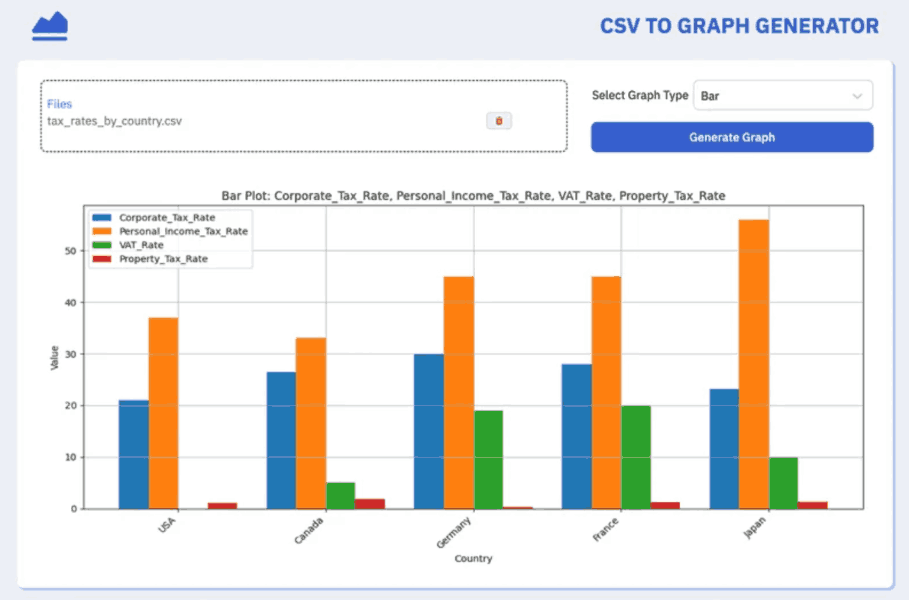
ToolJet is an open-source low-code platform with over 28K GitHub stars, supporting both JS and Python code execution. This tutorial demonstrates how to use it to design user interfaces, integrate Python code, and generate various chart formats from CSV files.
The article shares some simple tricks to make FastAPI + Pydantic-based REST APIs run faster.
This tutorial shares a complete Python full-stack project that supports uploading and merging multiple PDF files, with login and authentication features.
The article explains how to ensure proper resource cleanup and release when using Python generators and async generators. Methods covered include inline generator calls, explicit cleanup with del statements or close methods, and context manager cleanup.
When using Pandas to process large datasets, memory issues can easily arise. The author tested Pandas, Polars, and Ibis (with DuckDB and DataFusion backends) on 1TB of data, demonstrating Ibis's huge advantages when handling large datasets.
When handling datetime in Python, timezone issues need attention, especially when converting epoch timestamps to datetime objects. It's recommended to use datetime.utcnow() instead of datetime.now() to avoid dependency on system default timezone configurations.
Selenium is a widely-used open-source web automation testing tool. This article introduces 10 alternative tools and briefly covers their pros and cons.
🐿️
Projects & Resources
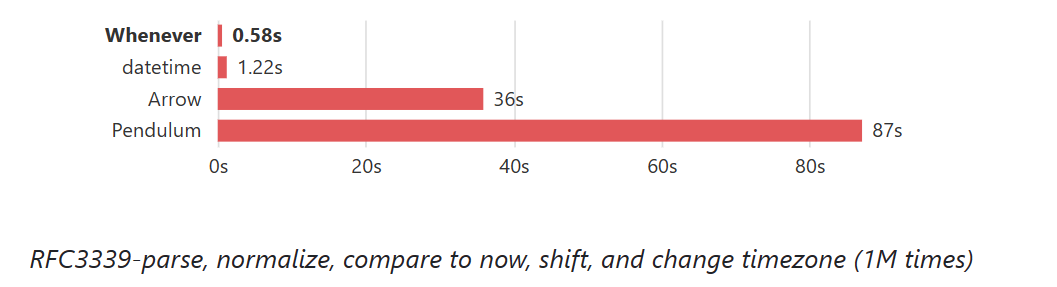
× 12A type-safe Python datetime library with daylight saving time support, developed in Rust. Features high performance and supports the latest experimental GIL-free version.
02 maelstrom: a fast Rust and Python test runner that runs every test in its own container github.com
Run tests in local isolated containers or distributed clusters, with each test running in a lightweight container to avoid interference from other tests and environments. Currently Linux-only.
Inspect a Python object's type, formatted values, variables, methods, parent types, signatures, documentation, and even source code at runtime.
04 neuml/txtai: All-in-one open-source embeddings database for semantic search, LLM orchestration and language model workflows github.com
An all-in-one embeddings database that combines vector indexing, graph networks, and relational databases. Supports vector search, topic modeling, retrieval-augmented generation (RAG), and more using SQL. (8.1K stars)
A low-code, centralized framework designed to simplify the creation and orchestration of multi-agent systems for various LLM applications. Supports automatic AI agent creation, chat with entire codebases, and multiple user interfaces. (1.8K stars)
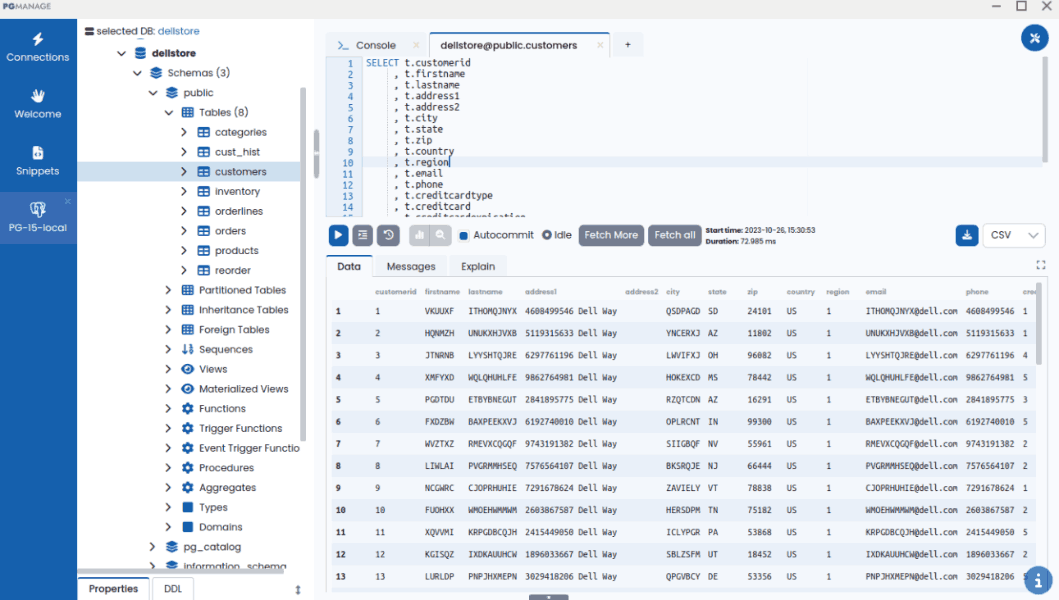
A web-based database client supporting PostgreSQL, SQLite, MySQL, MariaDB, Oracle, and more. Features visual database performance metrics, PostgreSQL server configuration management, backup functionality, and more.
Primarily aimed at children/beginners, using command-line terminals as the development environment for rapid 2D game development. Cross-platform, no graphics card dependency, sparking imagination and creativity.
08 composio: equips agents with well-crafted tools empowering them to tackle complex tasks github.com
Integrate high-quality tools for AI agents with just one line of code. Supports 100+ tools and large models, 6 different authentication protocols, and pluggable design. (4K stars)
Uses AI to read screenshots as input and control mouse and keyboard operations, completing complex computer tasks like humans do - gaming, web browsing, sending emails, using office software, and more. (1.4K stars)
10 lonboard: A Python library for fast, interactive geospatial vector data visualization in Jupyter github.com
Built on cutting-edge technologies like GeoArrow and GeoParquet, combined with GPU-based map rendering, enabling visualization of large geospatial datasets through simple interface interactions.
A multi-protocol network honeypot developed in Python with extremely low resource requirements, deployable on Raspberry Pi. Simulates a series of network-accessible services and sends alerts through multiple channels when potential threats are detected. (2.2K stars)
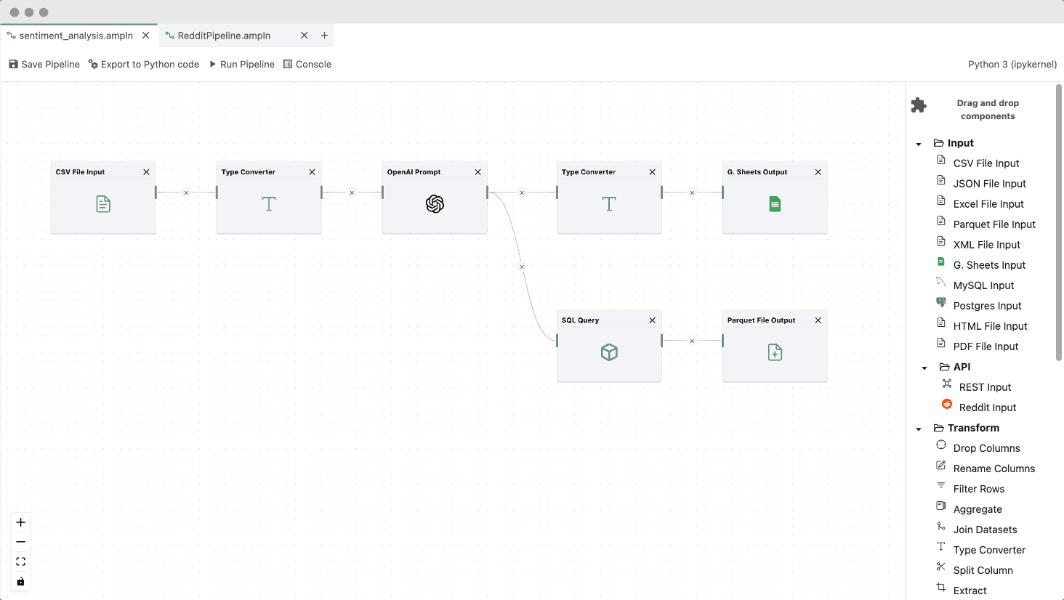
An ETL tool for the AI era that accelerates data pipeline development. Generates native Python code using libraries like pandas, DuckDB, and LangChain. Supports self-hosting.