NVIDIA has implemented native Python support in the CUDA toolkit, elevating Python to first-class citizen status. Developers no longer need to understand C/C++ to use the CUDA toolkit more conveniently.
TL;DR
NVIDIA finally adds native Python support to CUDA, Django 5.2 ships on schedule, PEP 784 proposes Zstandard for the standard library, and DeepSeek-V3 rounds out the lineup.
🦄
Articles & Tutorials
× 12Django 5.2 has been released! The article details multiple new features and improvements: automatic model imports, composite primary key support, form customization, content negotiation, template block tags, URL generation improvements, testing optimizations, and more.
The author wants to break free from dependence on services like Google Calendar by taking control of personal calendar data through self-hosted solutions. The article covers the exploration process from CalDAV to iCalendar, using Python to implement calendar data format conversion.
This tutorial provides detailed instructions on developing a desktop sticky notes application using PySide6 and SQLAlchemy, implementing borderless draggable notes, multi-note management, custom note styling, and system tray integration.
A draft PEP proposing to add a new standard library with Meta's zstd library as the default implementation. Zstandard provides high compression ratios and fast decompression, superior to zlib and bzip2.
How to handle long-running tasks in Django projects? How to integrate Celery with Django? How to trigger tasks from Django admin and get real-time task status?
The Textual project author shares technical details on implementing high-performance graphical user interfaces in terminals, including solving multi-window overlap issues, quickly determining which windows are in visible areas, and optimizing terminal app rendering speed.
word2vec is a model for generating word embeddings. The article details how to reimplement it using JAX.
How have recommendation systems and search technologies evolved in today's LLM era? The article discusses industry developments in search and recommendation systems over the past year, covering model architectures, data generation, training paradigms, and unified frameworks.
Can large models correctly understand null values? This is crucial for code generation. The article introduces how to evaluate models' understanding of null values through model outputs and internal states, showing the impact of model training and code context on large models.
Why are some Python libraries blocked by cloud service providers? Why are Scrapy, BeautifulSoup, Selenium and other libraries identified as high-risk? How do bot developers deal with these restrictions?
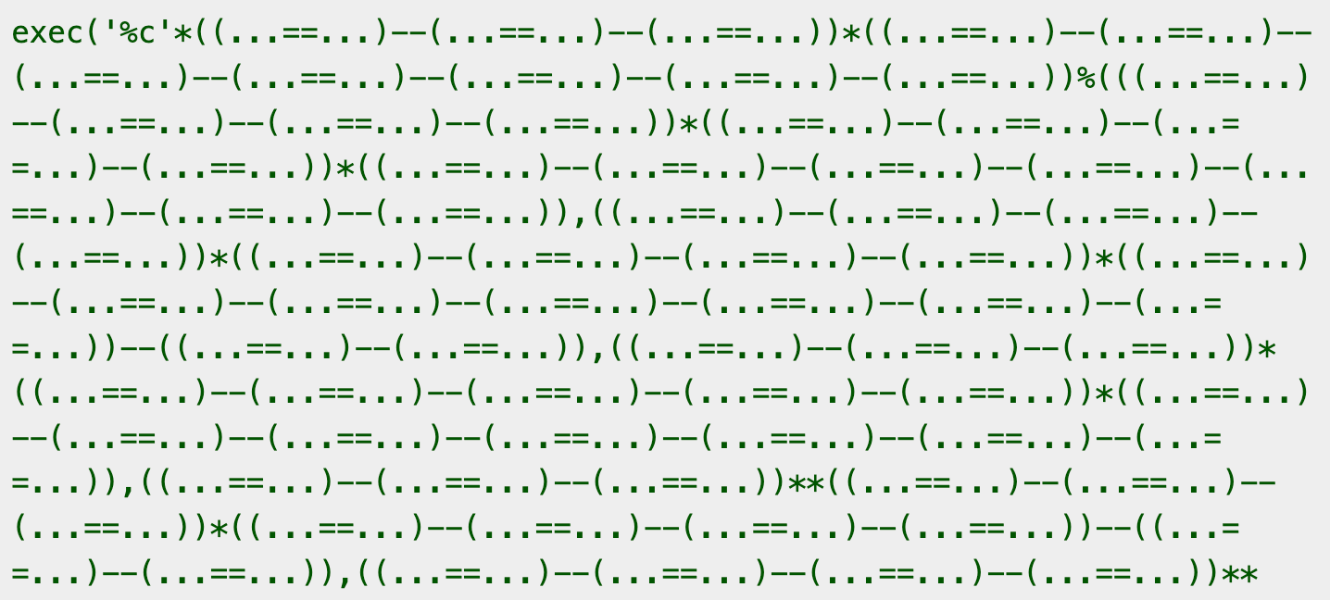
--(...==...) equals 1, --(...==...)--(...==...) equals 2. Using this, you can write a long string to represent "hello, world", but this obscure code is a satire of over-pursuing tricks while ignoring readability.
🐿️
Projects & Resources
× 12Aims to provide an easy-to-deploy Computer Use Agent (CUA) solution that can run on PCs and personal laptops.
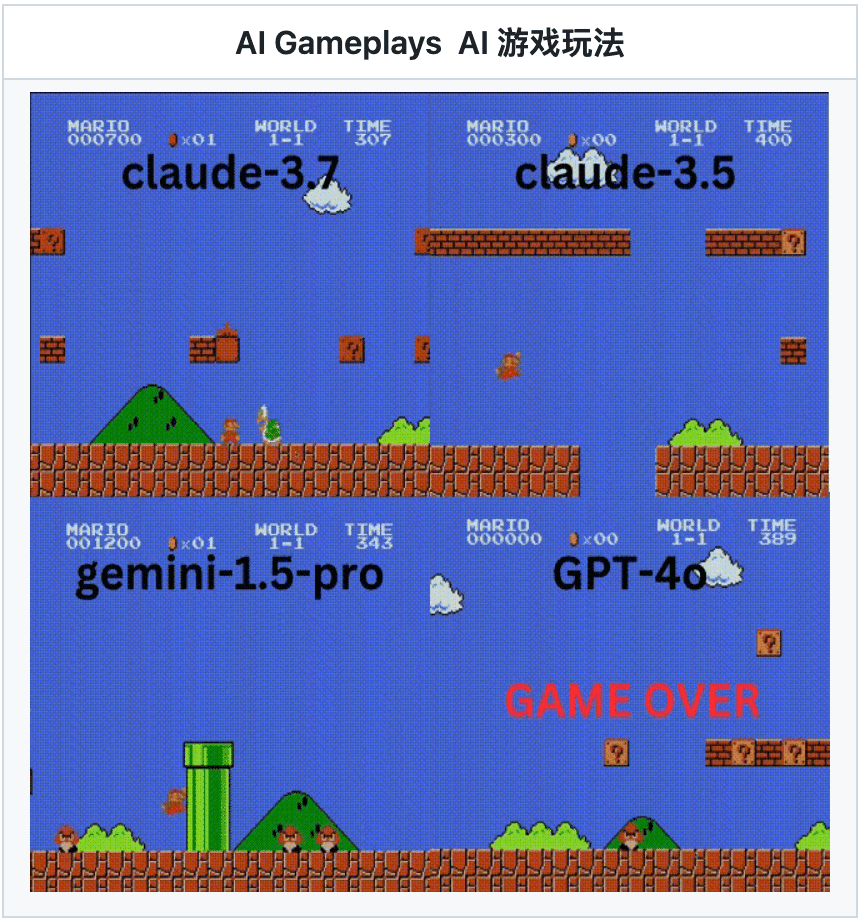
A simple command-line tool developed in Python for managing Apple Notes and Apple Reminders, creating, searching, and organizing your notes from the terminal.
A tool for iOS 17.0 to 18.1.1 devices that unlocks hidden device features through vulnerabilities (enabling Dynamic Island, device spoofing, dynamic wallpapers and AOD, etc.), and disables unnecessary system services. (2.5K stars)
Supports audio transcription, multi-language translation, adding subtitles to videos, and can perform complex media processing, suitable for content creation. It also supports cross-cloud file management, including Google Drive, Amazon S3, Google Cloud Storage, and Dropbox.
A special curl build that can impersonate four major browsers: Chrome, Edge, Safari, and Firefox. Can perform exactly the same TLS and HTTP handshakes as real browsers. (5.1K stars)
Convenient for retrieving Wikipedia information with Python, supports extracting text, sections, links, categories, translations, etc. from Wikipedia.
Google's open-source Agent Development Kit (ADK) helps build efficient, intelligent AI agents. Features: code-first, multi-agent architecture, rich ecosystem, flexible orchestration, native streaming support, state/memory and component management. (3.2K stars)
Directly converts docstrings into LLM functions through decorators, supports Jinja2 templates, supports async functions, uses Pydantic models to define response structures, ensuring consistent output formats.
Supports conversion between multiple case formats (like snake_case, kebab-case, camelCase, etc.), intelligently recognizes abbreviations (like HTTPRequest) and supports non-ASCII characters.
PDF scientific paper translation and bilingual comparison library. Has online immersive translation and supports self-deployment. (1.6K stars)
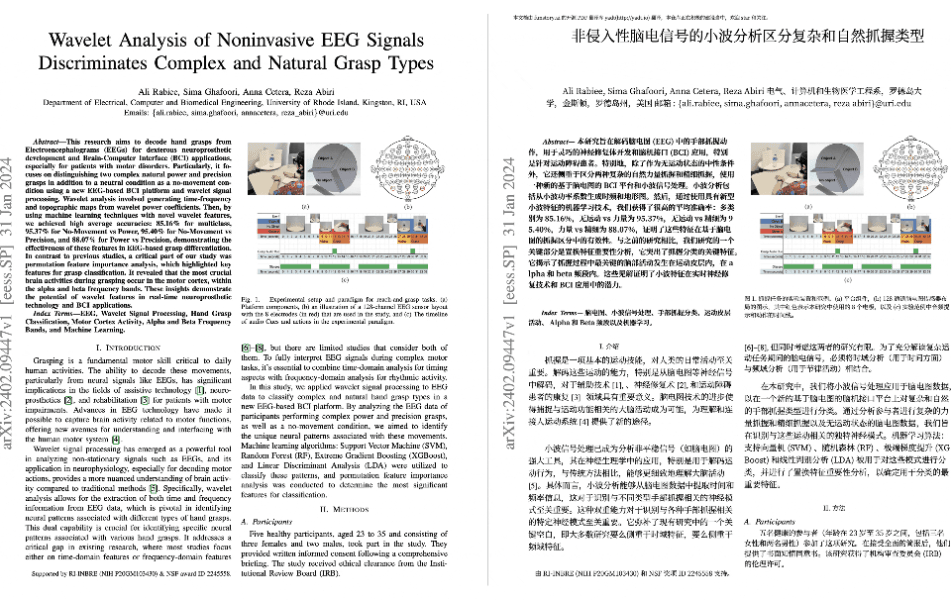
Parses structured text and converts them into tree forms based on hierarchical headings, suitable for processing documents with nested headings like outlines, reports, and technical documentation. (Shared by @Enoch)
Powerful Mixture of Experts (MoE) large model with 671B total parameters, using Multi-Head Latent Attention (MLA) and DeepSeekMoE architecture, pioneering auxiliary-loss-free load balancing strategy. (95.4K stars)
🥂
Discussions & Issues
× 2This is a question posted by Flask author Armin Ronacher on X, with high topic engagement.
02 UV is dead, PDM rules the world, Python developers should learn how to write elegant code v2ex.com
Coincidentally, another discussion about uv. The title is quite provocative, so take a deep breath and adjust to a calm mindset before clicking the link to read the content...